

|
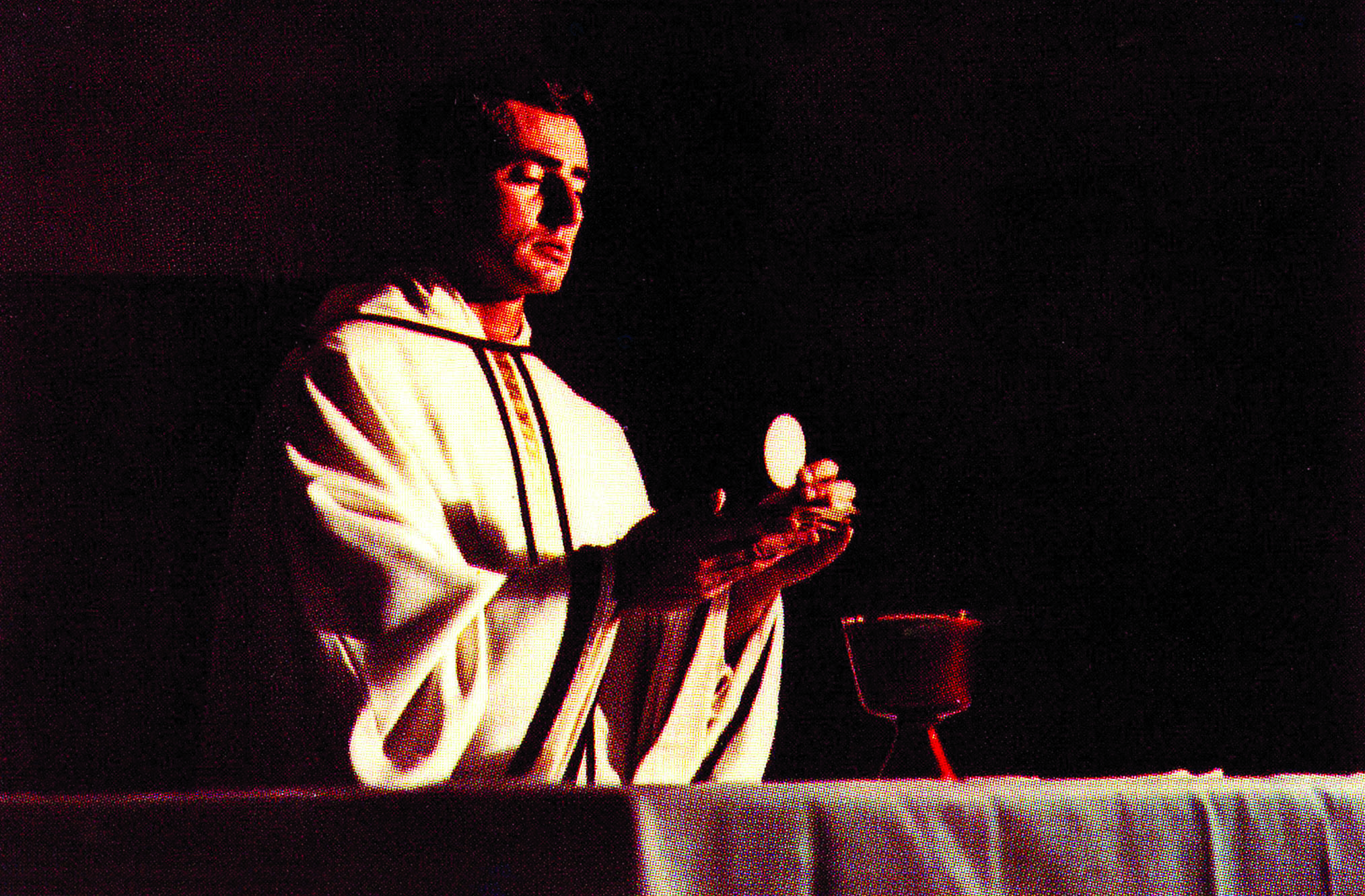
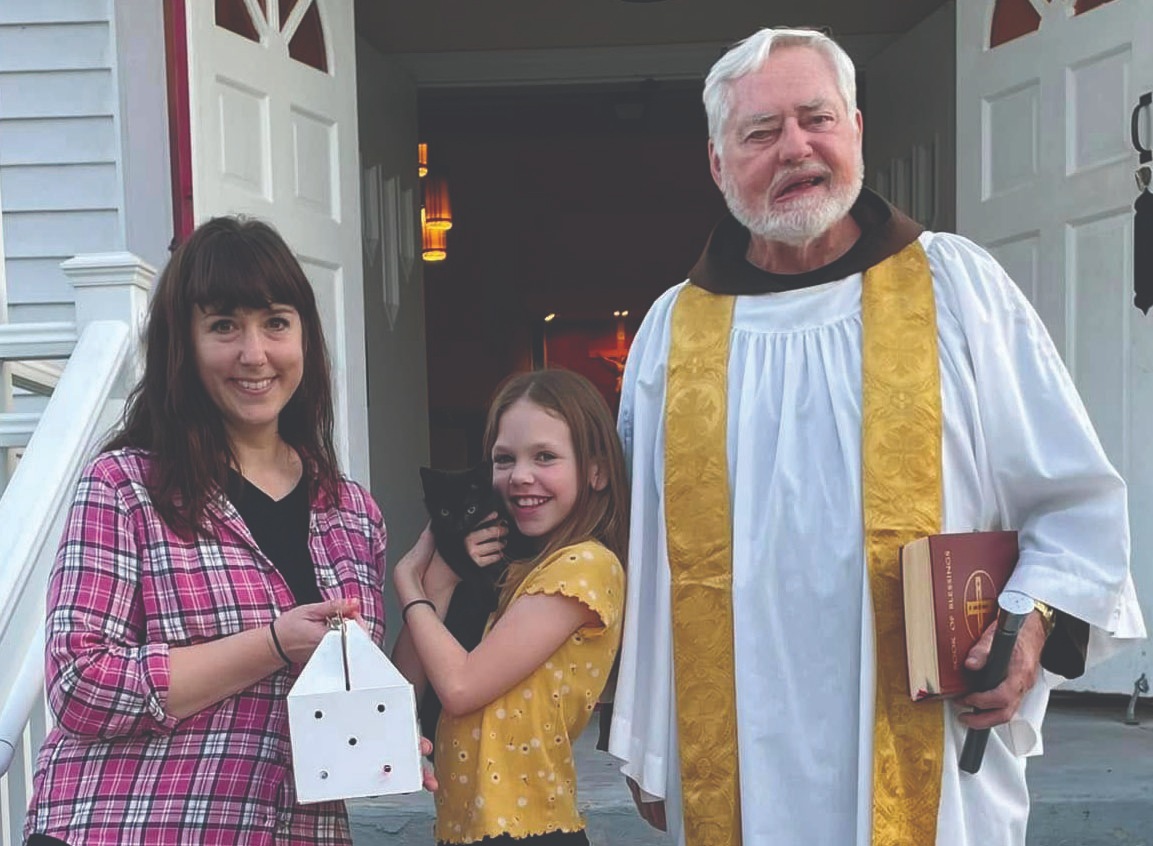
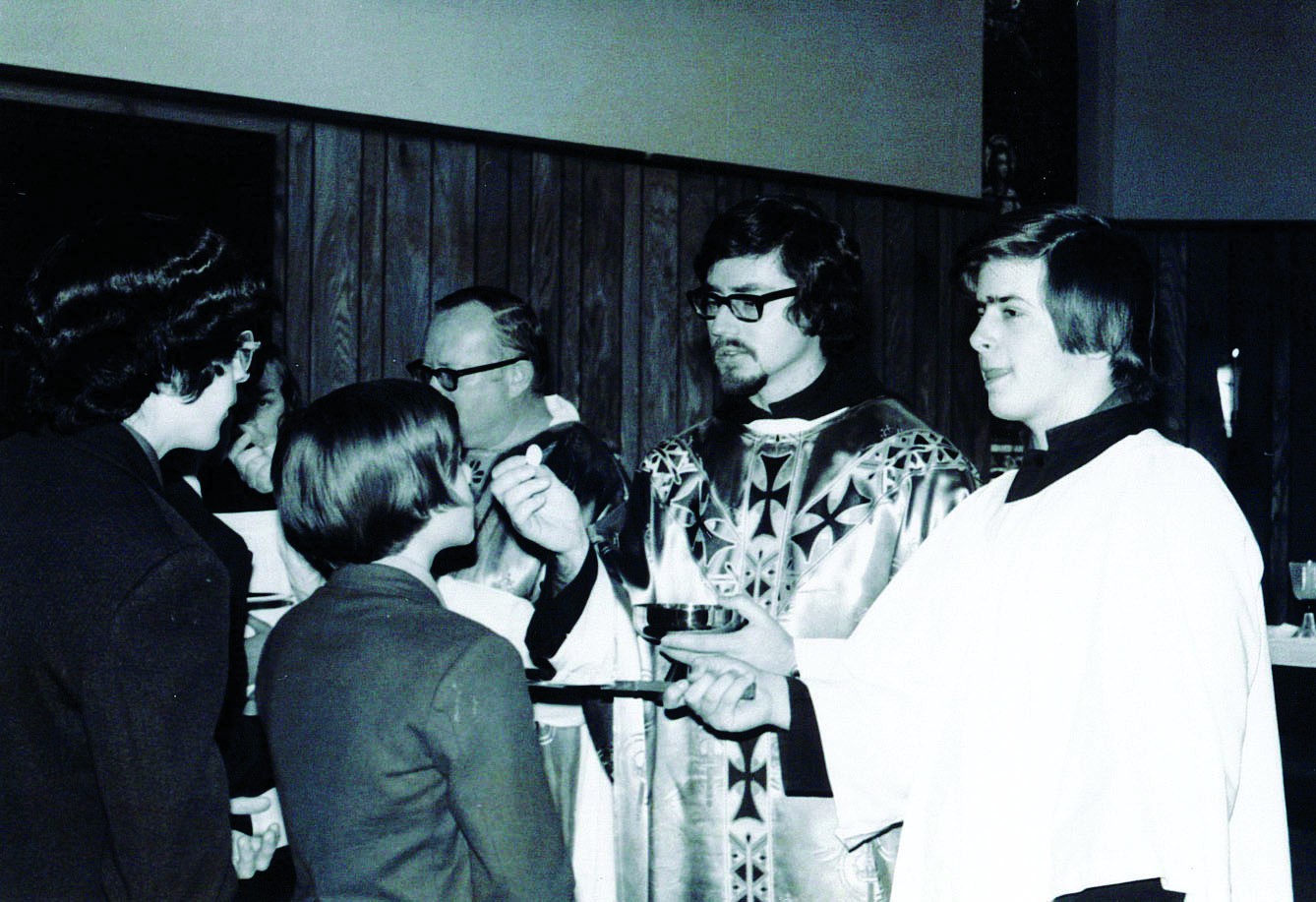
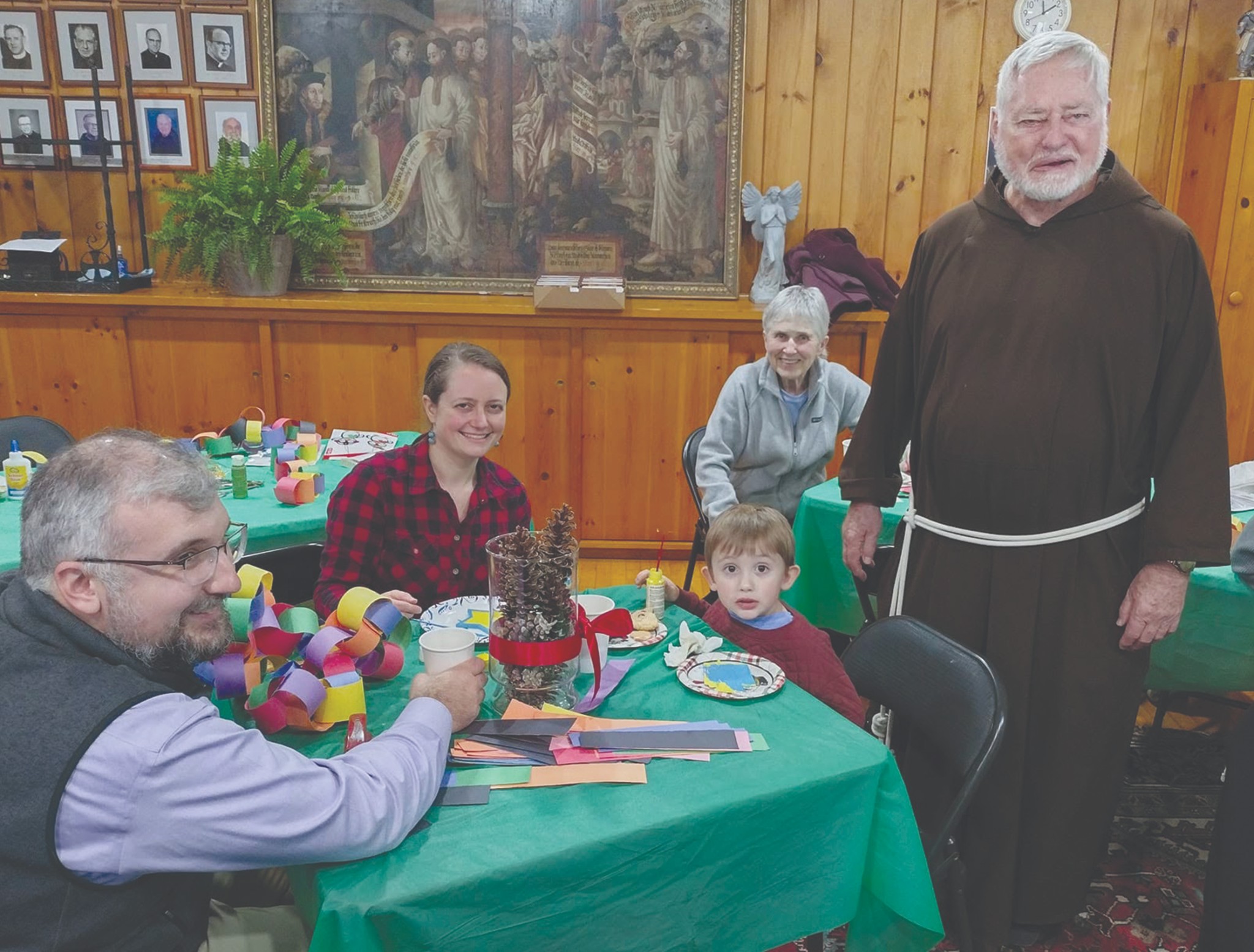
In 1961, as the United States was moving into a time of radical societal change, Br. Bernard Maloney was making his own radical choice. As he took his first steps into life as a Capuchin friar, he too was rejecting societal norms, wealth, and conventional status—in pursuit of an authentic Gospel life.Brother Bernard, 84, retired on Sept. 1 as the pastor of Mary Mother of Mercy Parish in Interlaken, N.Y. He spoke with The Capuchin Journey just before his retirement about his 65 years as a Capuchin friar. When did you realize that you had a vocation to the religious life?It was probably in high school. In my sophomore year, I had come across this booklet on the Capuchin Franciscans, and they had missions in Asia that I found fascinating. I was in my senior year when I started to seriously think I would like to be a priest. I was interested in both the missions to Japan and in the priesthood. So, I contacted the Capuchins and went with the idea of just trying it out. I didn’t want to spend the rest of my life wondering if I should have been a priest or a religious, you know, so I went for it. The Capuchins sent me out to St. Lawrence Seminary in Mount Calvary, Wis., for a year after high school, and I liked it. So I stayed. From there I went on to novitiate and to college, where I studied theology, philosophy, and theology. I never left! Most people discerning a vocation aren’t certain until they tried it out. When did it lock in for you?Once I finished novitiate, I was ready to make vows. Then three years later, I was ready to make solemn vows. I absolutely loved living as a Capuchin, and it was after making those commitments— especially making my solemn profession—that I realized this. So I simply made a decision that this is what the Lord was calling me to.
What was it about Capuchin life that drew you in? Originally, it was that mission in Asia that interested me. But then going into the novitiate, I really learned what the Capuchins were all about. I liked the whole lifestyle—the fraternity, the prayer life, the minority, the ministries. So many ministries. And those were the big things that really attracted me.But though all the charisms work together, I think probably prayer and fraternity were the big things for me. Even in a parish, you belong to a fraternity—a prayerful fraternity. And that prayerful fraternity leads you to ministry. Ministry (action) sends you back to prayer (contemplation), and prayer sends you out to ministry. They kind of support and encourage one another, and that’s a great, sustaining and encouraging thing. Does your parish ministry make it difficult to live the charisms of prayer and fraternity?Service and prayer work together. Because you are called to preach a lot as a pastor, you must spend a lot of time in prayer and preparation. I see that as a most helpful thing, personally. It helps me to grow in the knowledge of Jesus Christ and the Gospel way. You’re driven to prayer because of what you have to do in preaching, and you’re led back to prayer because you always have to be growing and maturing in your faith and in your lifestyle as a disciple of the Lord. I see them as complementary to one another. The big thing that the Church teaches us about priesthood is that first you are concerned with preaching the Word and making sure that people are hearing the Gospel. And then leading prayer, especially in the celebration of the sacraments. You also become a leader of your community itself, and you guide that community like a shepherd does his flock.All of that is based in love. The big thing is that you’re trying to always love the people who you are present with and serving and making sure that they know that you love them and care for them. And despite what your role is as a priest or pastor, you still have a fraternity of brothers that you live with who you must be attentive to also. And serve them and love them as well.All of this is completely in line with the Capuchin charisms. Is there a particular mentor or guide that has had an impact on your faith journey? I’ve always admired something about everybody I’ve lived with and subconsciously tried to imitate their good qualities. One person who was very outstanding was Br. Peter Damian Preziosi, a college professor and pastor when I was a parochial vicar. Also, Br. Finian Sullivan at Sacred Heart in Yonkers, N.Y. and Br. Barnabas Keck. I found them all to be inspirational.I’ve also been inspired by those I serve. I remember a conversation with one priest who was complaining about his parishioners. I said to him, “You know, the best people in the world are those that go to Church, and if we can’t get along with those people, then I think we have a problem.”That’s a wonderful Capuchin charism, too: recognizing that all people, no matter who they are, are worthy of your attention, love, and service. You love them as best you can. It sounds like you are inspired by parish work.I really love the parish work because of the involvement with people. You have a flock that you know and care for and love, and you try to do your best to serve them. I have served at a bunch of parishes all over the province, from Yonkers to Interlaken and Ovid, N.Y., to New York City, and now here at Mary Mother of Mercy, where I’ve been pastor for the last 12 years. Right now, at the age of 84, I’m the oldest pastor serving in the Diocese of Rochester. Any closing thoughts on your six-decade journey as a Capuchin?Looking back, I just kind of lived in the present and let what I’ve learned as a Capuchin Franciscan guide me. I would never have thought of experiencing the wonderful things that have happened to me as a Capuchin. These were all gifts.The wonderfulness of the people—whether they’re friars I’ve lived with or people to whom I minister—the people I have encountered in life and have learned from is phenomenal. I never could have predicted that I could be so blessed. |
Inspiration Through Changing Times